The ACM Journal
Lab Grown Vs Natural
An unbiased 2026 comparison of lab-grown and natural diamonds covering appearance, grading, price, rarity, sourcing, and long-term expectations.
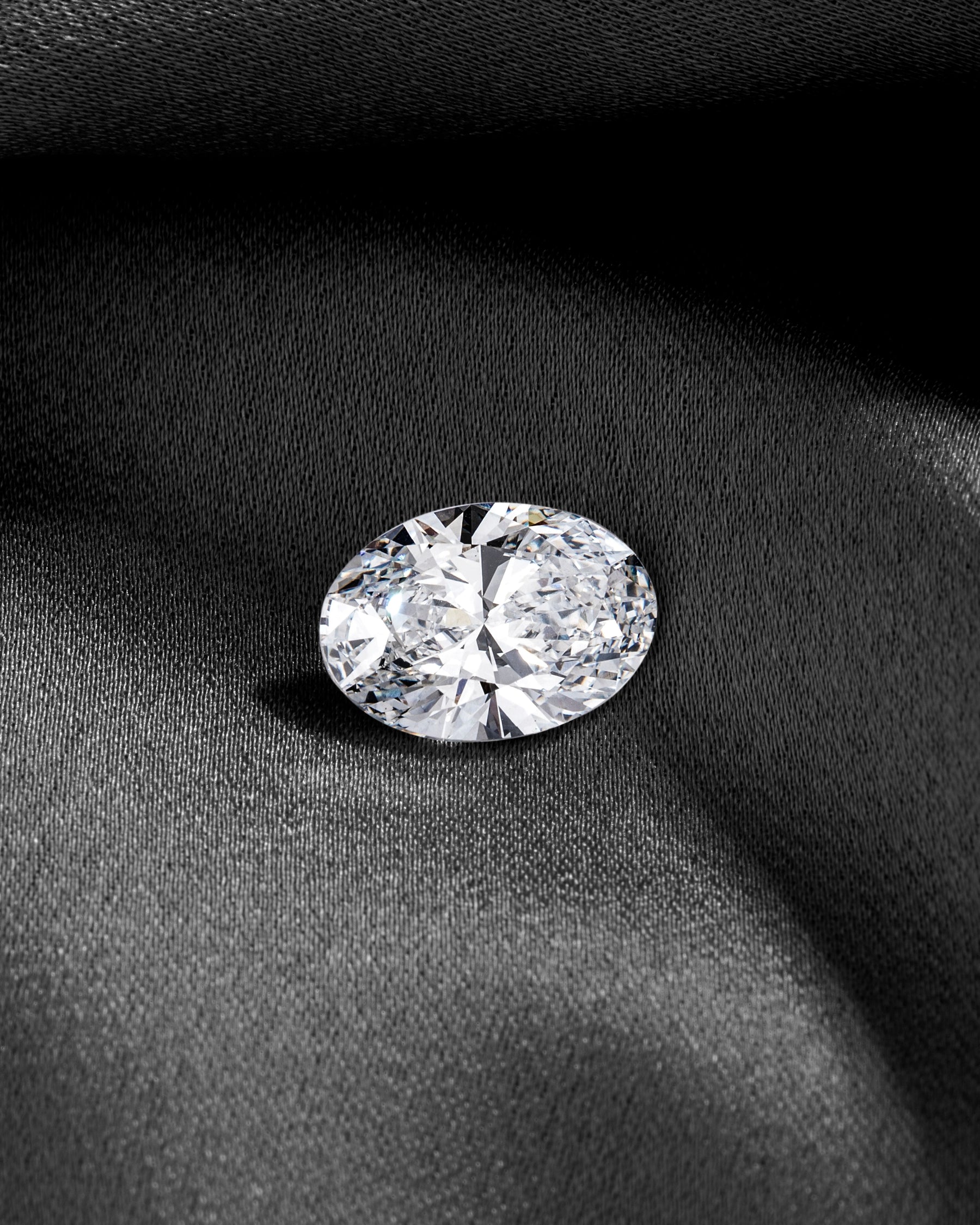
Choose a lab-grown diamond when maximizing size or specifications within today’s budget matters most. Choose a natural diamond when geologic rarity, origin, and heirloom tradition carry more meaning. Both are diamonds; neither is automatically the better choice. The right one is the option whose story and trade-offs you understand before you buy.
What matters most
- Lab-grown and natural diamonds share the optical, physical, and chemical properties that make a diamond a diamond.
- Origin, rarity, price trajectory, and the story attached to the stone are meaningfully different.
- Compare actual stones—not certificates alone—and ask how each option supports the complete ring and your priorities.
First: both are real diamonds
A laboratory-grown diamond is not cubic zirconia and it is not moissanite. It is crystallized carbon with the same essential optical, physical, and chemical properties as a mined diamond. The difference is origin: one forms through a manufacturing process; the other formed in the earth over an immense span of time.
That distinction should be stated clearly. Federal Trade Commission guidance requires sellers to disclose when a diamond is laboratory-grown or laboratory-created so a shopper is never left to infer that it was mined. An honest comparison begins with accurate language, not with making one choice sound “fake” or the other sound automatically superior.
The budget conversation is really a priorities conversation
Lab-grown stones generally let a buyer reach a larger face-up size or higher color and clarity specifications for the same current budget. The Knot’s 2026 study reported a 2.0-carat average for lab-grown center stones compared with 1.6 carats for natural stones, alongside lower average ring spend for the lab-grown group. That helps explain why lab-grown has become a mainstream bridal choice.
A natural diamond allocates more of the budget to rarity and origin. That may mean choosing a slightly smaller center stone, a warmer color, or an eye-clean clarity grade rather than paying for specifications you cannot appreciate without magnification. Done well, those are design decisions—not compromises.
We do not recommend treating an engagement ring as a financial investment. Retail pricing includes design, metal, labor, service, and margin, and resale circumstances vary. Natural diamonds have an established secondary market; lab-grown prices have fallen as production has scaled. Buy either for the life and meaning it will carry, not for a promised return.
A report is a starting point, not the sparkle
Natural diamonds are commonly compared through the familiar 4Cs. Since October 2025, GIA has used a different system for eligible colorless-to-near-colorless lab-grown diamonds: an overall “Premium” or “Standard” quality assessment rather than the natural-diamond grading nomenclature. Other laboratories may still provide familiar-looking color and clarity scales, which makes it important to know who issued a document and what it actually represents.
Two stones with similar paper specifications can perform differently in person. Proportion, light return, bow-tie effect in elongated shapes, transparency, tint, and the way a stone looks in its intended setting all matter. ACM shortlists stones with its gemology partners and reviews the actual visual trade-offs with you instead of buying a number sight-unseen.
Ethics and sustainability deserve specific questions
“Ethical” and “sustainable” are not self-proving labels. A lab-grown stone uses energy, and its footprint depends on how and where that energy was produced. A natural stone has mining impacts, while traceable operations can also support employment and communities. Broad claims in either direction hide the information a thoughtful buyer actually needs.
Ask what can be documented: who graded the stone, whether its origin is disclosed, what sourcing assurances are available, and whether environmental claims are backed by evidence. If a seller cannot explain a confident claim in plain language, it should not be the reason you spend more.
Choose the complete ring—not the center stone in isolation
A bigger diamond is not automatically a more luxurious ring. Proportion between the center, band, prongs, side stones, and the wearer’s hand determines whether the design feels balanced. Durability matters too: an oversized center on an ultra-thin band can create maintenance and stability problems, especially for someone who works with their hands.
We begin with the life the ring will live. Then we compare a natural and lab-grown shortlist inside the same overall budget, including the setting. That makes the trade-off visible: more size, more rarity, more intricate handwork, a heavier band, or room in the budget for the proposal itself. Luxury is having those choices made deliberately.
Choose lab-grown when
present-day size, color, or clarity is the leading priority and you are comfortable with a manufactured origin and changing market prices.
Choose natural when
geologic rarity, a mined origin, tradition, or the strongest available path to a secondary market matters more than maximum size.
Pause when
a seller rushes the decision, avoids origin disclosures, promises investment returns, or asks you to buy from the report without seeing how the stone performs.
The ACM point of view
We carry no script that says every couple should make the same choice. Alejandro starts with budget, proposal timing, style references, and what the wearer values. Then our team can show both paths honestly and build the setting around the stone you choose.
The goal is not to win an argument about diamonds. It is to create a ring you can explain with confidence—and still love after the trend cycle has moved on.
Common questions
Before you decide
Can someone tell by looking whether a diamond is lab-grown?
Not reliably with the unaided eye. Proper identification requires specialized testing because lab-grown and natural diamonds share the properties responsible for a diamond’s appearance.
Is a lab-grown diamond the same as moissanite?
No. Moissanite is a different gemstone with different optical and physical properties. A lab-grown diamond is diamond material created in a manufacturing environment.
Which diamond holds value better?
Natural diamonds have the more established secondary market, while lab-grown retail prices have declined as supply has expanded. Neither should be purchased on a promise that it will appreciate or resell near its retail price.
Will ACM show me both options?
Yes. ACM works with natural and lab-grown diamonds and explains the visual, budget, origin, and documentation trade-offs before you choose.
Sources & editorial notes
We use current industry and consumer research as context, then write for the real decisions ACM clients bring to the table. Sources were reviewed September 2, 2026.
Let’s make the next decision feel easy.
Bring a budget range, a target date, and two or three inspiration photos. ACM will help you compare stones, refine the design, and understand every trade-off before you commit.
Let’s make the next decision feel easy.
Bring a budget range, a target date, and two or three inspiration photos. ACM will help you compare options and understand every trade-off before you commit.
Book a free consultation